Jamie Tse / 5/23/2019 / Last Update: 12:24PM
A enormous part of what we’ve discussed in class is the impact of fast fashion on the world. That includes the environmental, social, physical impacts, which is just the tip of the iceberg.
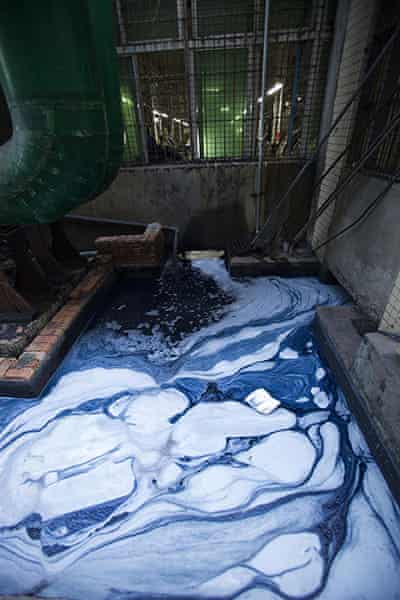
Massive amounts of water is used for textiles and fashion, especially when it comes to clothing that is made in factories that create denim products. Fast fashion leads to water pollution, toxic waste and harmful chemicals in some of the world’s most vulnerable nations.
Fast fashion is low tier, mass produced clothing that are made at high speeds and in factories in faraway countries, the clothing usually mimics luxury runway styles for a very cheap price. These inexpensive price tags mean that there is less focus on the care and use of the products as well as the environmental impact of the making of the textiles. There is less time and money in the process so factories cut corners when creating these clothes.
Overall, it leads people to wonder whether this type of fashion is really worth its price? It may seem cheap but after a closer look at the “cost” it may be even more expensive in the end.
Environmental Impacts
After the petroleum industry, the fashion industry pollutes the planet the most. As well, after agriculture, fabric dyeing is the biggest polluter of clean water, as exemplified in the left photo. This is just one of the examples of how the earth is directly impacted by the fashion industry. To create vibrant colours in clothing, brands must use toxic chemicals and solutions to make that effect. Even small, disregarded details like the vibrancy of the fabrics can lead to such colossal damage, especially over time.

Social impacts
Of all the workers making clothing in the world, around 80% of the 75 million people are women who are aged 18-24 years old. These are women who should be getting a higher education or at least getting paid more than $96 a month. While working, employees do not have even a minute to drink water or use the bathroom. This is the appalling and terrible treatment of workers in these types of factories. People cannot sustain themselves and a family with this kind of wage, especially when the work is so exhaustive and risky. In order for the manufacturing company owners to stay afloat while paying their workers a livable wage, brands and companies need pay more for the garments they want made.

Physical Impacts
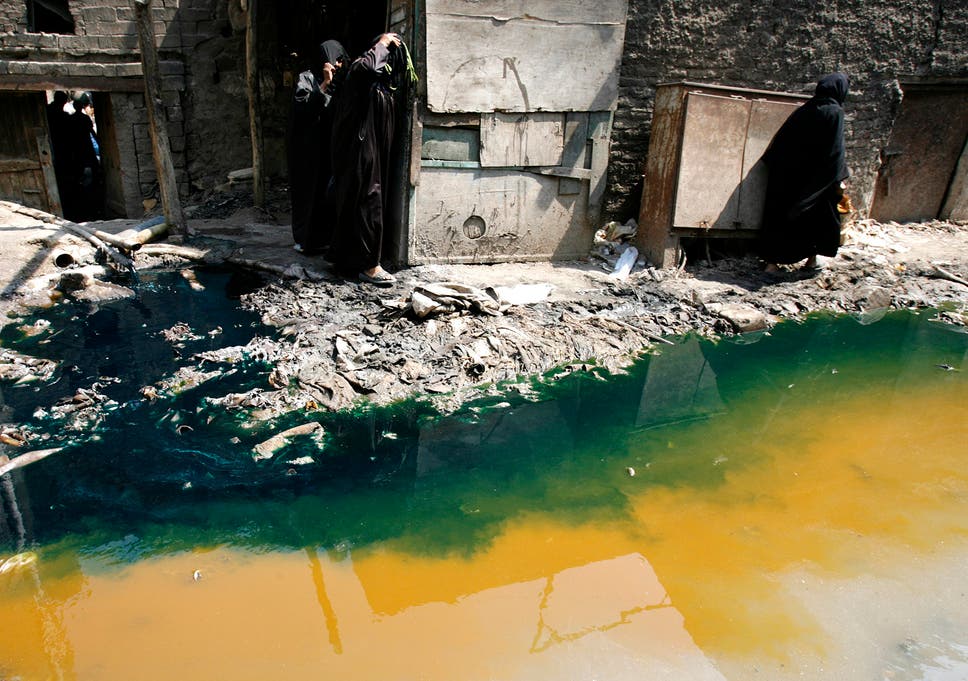
The after effects of fast fashion have hurt the factory workers most intensely. Families and communities have to deal with different poisonings and detrimental health effects from working in or simply living near these factories. Long term exposure to these chemicals and this kind of environment has led to tumours and birth defects to the families in the area. Unfortunately, the common case is that most (if not all) the people living in the town will be working in the same factories and industry, leading to poorer health for all the the townspeople and surrounding cities. For the company, the area becomes a fashion factory hub that mass produces huge amounts of clothing very quickly. But it comes at the price of the whole communities people’s health and their descendants to come. Unless there is an effort from a collective organization with the collaboration of the region’s inhabitants to clean the area, the problem will only worsen.
In addition to the invisible dangers of toxic chemicals entering garment workers bodies is the danger of the factories themselves. The infamous Rana Plaza collapse in Bangladesh is the most horrific but clear example of the risk of working in a garment factory, most of which have unsafe conditions. From that incident, over 1,100 people died and over 2,500 were injured. These buildings are not maintained, broken with many foundation issues, no one should be in them for more than a second, much less working full time in them.
Moving Forward
All of these impacts of the industry has been a strong call to action for every shopper over the world. It’s important not to get tricked and tempted by the price tag on some of these clothing items. Mark Angelo, a international river conservationist says, “low cost clothing has a high cost attached to it, one to the environment and public health.” Consumers must make conscious financial and purchasing decisions. The key is to consider where and how the clothing is made, and coming to a conclusion from that. Look for sustainably sourced clothing brands and buy from those shops rather than what is convenient. Opt for fibers and linens that use less water when being made like recycled fibers. Avoid overbuying cheap clothing for just the price, instead, buy items that will last long and will stay in style to reduce waste. There are many other ways to ensure the consumer and the industry’s carbon footprint can be lessened, as long as one takes the initiative to go for it.

 fashion & social change
I actually loved reading this post as it’s not a topic that everyone always speaks out on. I feel as though you took on this topic head on and nailed your message perfectly to the audience. Your facts and statistics were so interesting to see as they come off as kind of a shock to me at how insane the pay rate is or the working conditions that the employees have to endure. Wish your article provided a video, to see what it was really like in the working conditions of these places. But other than that, an amazing job! 🙂
LikeLiked by 1 person
Thanks Sakina! I’m glad you enjoyed my post. I agree with your comment about adding a video, in hindsight, it would definitely be helpful for the reader. I wonder if it would be harder to get footage of these factories, but regardless, thanks for your feedback.
LikeLike